
by Ben Dorris, Ace Keyser, Matthew Hoberman, Clark Christian, and Rory Railsback (Posted on November 23, 202 @ 1:40 p.m.)
School safety has changed significantly over the years. It wasn’t always a major concern, but now it’s one of the biggest issues for schools across the country. With school shootings becoming more common, safety has turned into something that every student, teacher, and parent worries about.
Mr. Sheppard, an eighth-grade English teacher, has been teaching for over thirty-three years and has seen how much Alamo Heights has changed during his career. He remembers a time when things felt much safer and schools were more relaxed.
“You didn’t have the threats that you have now,”
“Back then, people came to school feeling safe, and things like locked doors or fences around the school didn’t exist. The only thing you had back in the day was fire drills,”
No one thought about lockdowns or outside threats. Years ago, students and teachers didn’t worry about safety like they do now, and the school environment was completely different from what we see today.
After the Columbine school shooting, everything started to change dramatically. Mr. Sheppard said that was when schools began to add more safety rules and drills, marking a turning point in how schools approached security.
“You started seeing an increase in school shootings and violence on campuses,”
he explained. Now, schools practice lockdowns regularly, teachers keep doors locked throughout the day, and students learn detailed procedures for what to do in emergencies. “It’s sad that we have to live like that now,” Mr. Sheppard said, “but it’s important to be prepared.”
Emergency Preparedness at AHJS
At Alamo Heights Junior School, safety drills are conducted once every nine weeks to keep students and staff prepared for emergencies. Dr. Guthrie, the school principal, said students are always told ahead of time when a lockdown drill will happen because she wants to balance safety with student comfort. “I personally am not in favor of scaring kids at all,” he explained. Mr. Eddie Ray, the district’s safety coordinator, emphasized the importance of these regular practices. “The best thing we can do is, you know, practice our lockdown drills and make sure we’re taking them seriously,” he said. While individual schools focus on drills and daily safety measures, the responsibility for overall safety planning extends to the district level.
School board member Clay Page also talked about how the district handles safety from a broader perspective.
“We have a lot of priority meetings a month, a building committee meeting, and a school board meeting, I’d say school safety comes up at least half the time.”
Clay Page in an interview with Mule Time Media
Spot Checks
He said the state also does surprise safety checks to test how well schools are protected.
“They kind of do these sneaky, you know, see-if-they-can-break-in audits, and sometimes, you know, it happens, and we’ve got to announce it to the public and talk about what we learned.”
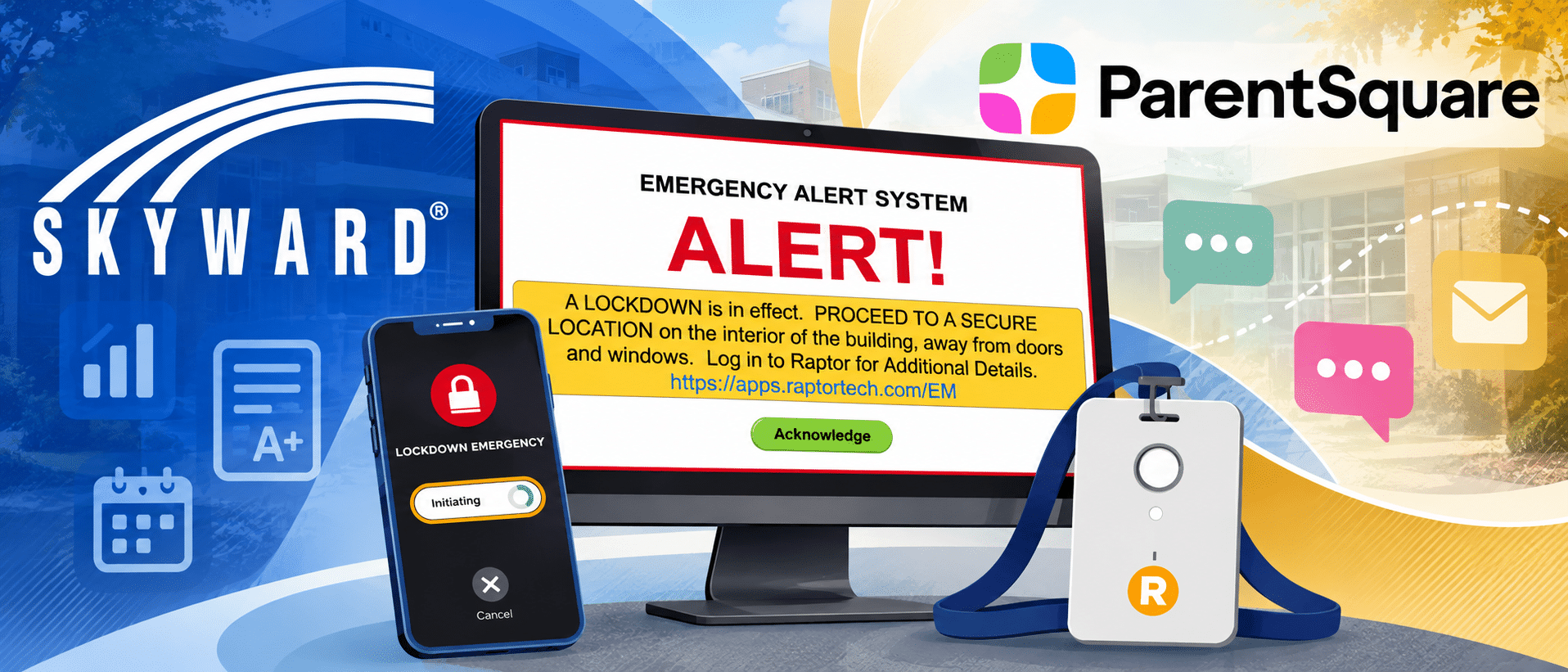
The school district got new technology to keep the students safer. About one or two years ago, they gave all teachers and staff special emergency badges.
“We bought emergency badges for every teacher and staff member in our district,”
said Eddie Ray. These badges can send two different types of alerts. Teachers can click the badge three times to call for help, or click it eight times to start a lockdown.
This is a big improvement because now every teacher and staff member has one of these badges. Before, there was a problem during emergencies.
“This is really important for our safety because when emergencies happen, people get scared and confused. They used to yell and look around for their phones, but now all staff have been trained and know exactly what to do. They have the right tools to help quickly during emergencies.”
The district spent money on this technology to be prepared for emergencies. Now all school workers have reliable emergency communication tools that work even when everyone is stressed out.
Mr. Sheppard said those new badges make a big difference
“It’s a button that, if there’s an emergency, I can press it, and it’s [going to] notify everybody, lock the door, and send the campus into a shutdown.”
He said the badges can alert police right away, and even the state sends “auditors” to test how secure schools are by trying to get into restricted areas. Page said the system is tested often.
“Any time we run a drill, we’re using these,”
Clay Page in an interview with Mule Time Media
Officers on Duty
Another big change has been adding more police officers on school campuses. “Having a resource officer on campus,” Mr. Sheppard said, “gives a lot of people peace of mind.” Page and Ray agreed, explaining that after new laws were passed, every school had to have an SRO, or school resource officer, on site.
“At the time, we had like one and a half, we had to hire four more officers, and that meant police cars and everything. We couldn’t just pull them out of a box at Walmart.”
He also mentioned how the district had to work with two different police departments since some schools are in San Antonio and others in Alamo Heights. “It took time,” Ray said, “but now we’re fully staffed.”
The school district is also focused on helping students before safety problems happen.
“The Texas Education Agency put down what they call a Safe and Supportive Schools Team, the district has professionals, teachers, administrators, mental health staff, who meet to talk about students that are struggling and how to get them the right help.”
Page added that safety is always something the board takes seriously, but their role is to make sure things are working, not to control every detail. “At the board level, we’re flying at 50,000 feet,” he said.
“We want to know if it’s effective and if we have enough officers. If we get feedback that something’s not working, we make changes to fix it.”
Even though it’s sad that schools need so many safety measures, everyone is in agreement that things are much safer now than they were years ago. Between lockdown drills, new technology, safety officers, and support teams, schools have made big improvements to protect students and staff. “To me, it’s pretty safe,” Mr. Sheppard said. While teachers and leaders hope they never have to face a real emergency, they know that being prepared could save lives.

Leave a Reply