

By Tavie Son (Posted on Dec. 11, 2025 @ 1:52 p.m.)
Have you ever caught yourself thinking, “Am I smart?” It’s a question that runs through all our minds at some point, isn’t it? The reality is that intelligence is not just one thing, but an intricate constellation filled with countless stars. Schools tend to spotlight only a few stars, the ones measured through standardized tests on math, science, language arts, and social studies. But that spotlight leaves a lot of brilliance in the dark.
Our school’s GT program tries to reflect these academic strengths. One student, Elise Randolph, says she “think(s) people are placed in GT classes because they have different perceptions of the world.” It would be wonderful if that were the case. In reality, placement depends far more on standardized testing than on a student’s creativity, curiosity, or ability to think in new ways. That system adds pressure to students who already feel the weight of academic expectations.
Different ways of thinking
But psychologist Howard Gardner introduces a broader perspective with his theory of multiple intelligences. He suggests that knowledge is just one segment of a much larger whole. Gardner also lists several other kinds of intelligence, including
- Linguistic
- Logical-mathematical
- Spatial
- Musical
- Bodily-kinethetic
- Interpersonal
- Intrapersonal
- Naturalistic
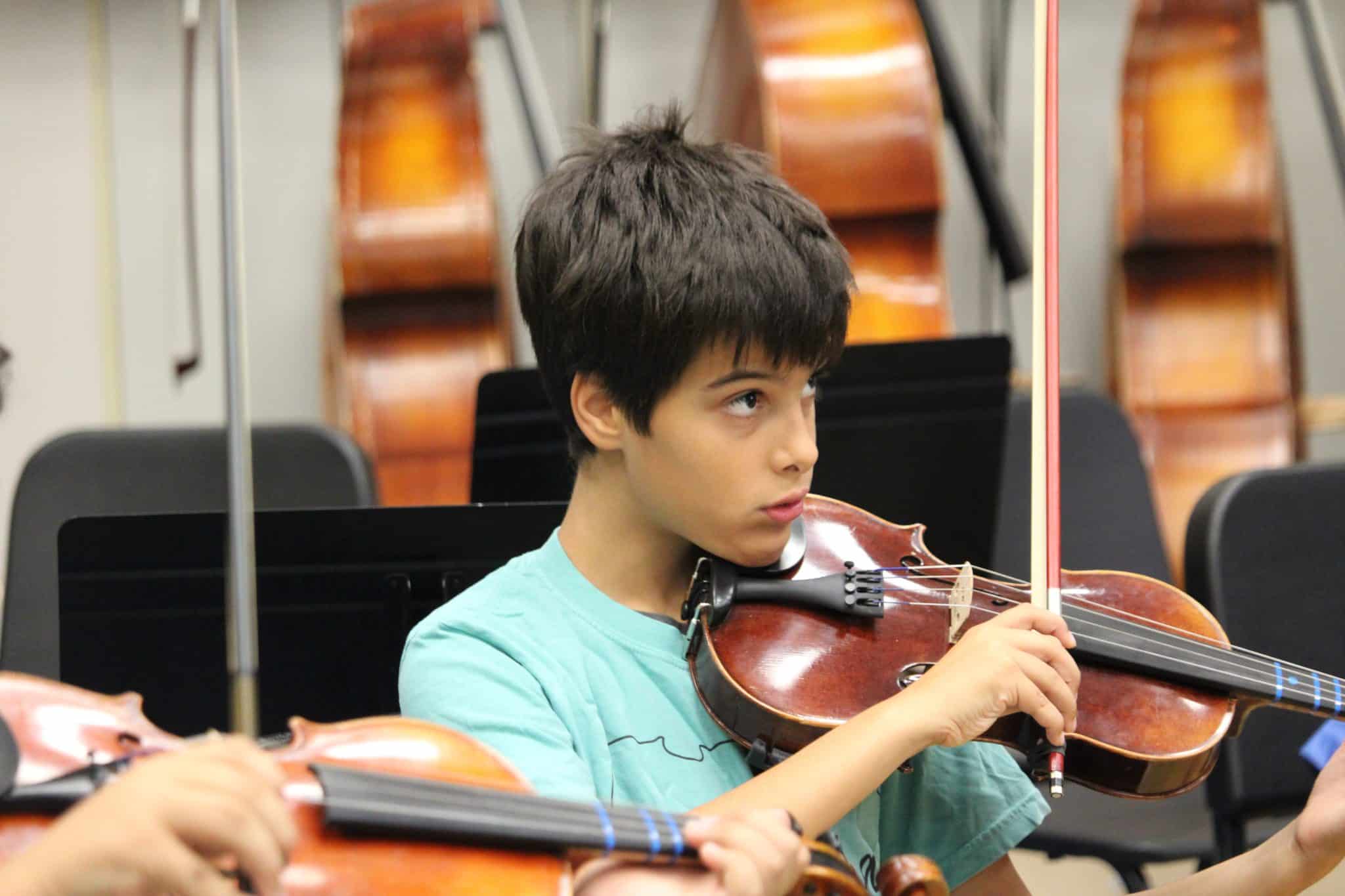
Each refers to the strengths and abilities people can possess. For example, a musical child can write and play beautiful melodies but may struggle with math tests. Unfortunately, traditional education systems often neglect these capabilities in favor of academic ones they can test.
Think about a student who excels in art class. Maybe she’s not particularly strong in English, but she is an amazing artist, and the emotional depth that she brings to her art can revitalize the classroom, inspiring her friends in ways that standard tests cannot. Here is one such instance of a critical shortcoming in schools: they far too often neglect to capture the worth of non-conformist gifts that won’t fit their standard mold.
Emotional Intelligence
Another fundamental aspect of intelligence is emotional intelligence—the ability to recognize, understand, and manage emotions in oneself and others. Emotional intelligence shapes how we lead, how we collaborate, and how we build relationships — skills that outlast every multiple-choice test we’ll ever take. Research indicates that those with high emotional intelligence have better prospects of success in group settings, are more compassionate, and end up with happier careers and relationships. But in education, where rote memory and multiple-choice questions are emphasized, emotional intellect isn’t accorded its rightful place. The student who performs well on group projects because of conflict resolution skills might not be recognized for the emotional intelligence that is so important in group interaction.
Creativity also plays a critical role in today’s fast-moving world. A recent American Psychological Association study highlights how creativity fuels innovation across every field, from engineering to the arts. Despite this, creative thinking is often pushed aside to make room for traditional academic classes. Imagine Leo, who struggles with standardized tests but excels at creative problem-solving in science. His unconventional thinking is a strength, not a flaw, and it deserves to be valued.
Rounding sharp edges
To create well-rounded students—students who are not just academically competent but also emotionally intelligent and capable of creative problem-solving—we must give priority to these areas in educational curricula. We have placed unimaginable emphasis on linguistic and logical-mathematical intelligences in the past, but neglected equally critical areas like interpersonal, intrapersonal, musical, spatial, bodily-kinesthetic, and naturalistic intelligences. To move toward a holistic education model, schools need to work actively to implement changes that welcome and recognize the entire spectrum of students’ abilities.
Structured Social-Emotional Learning (SEL) programs offer one way to do this. Classroom check-ins, journaling, and role-playing help students understand their emotions, practice empathy, and strengthen communication. Even a brief morning check-in can weave emotional growth into the rhythm of everyday learning. Schools that adopt SEL often see more connected and compassionate students and fewer disruptive conflicts.
Hands-on Activities
Similarly, we can promote creativity through hands-on, creative experiences embedded in the curriculum. Project-based learning, for instance, is specifically intended to encourage students to work on real-world problems in creative, multi-disciplinary solutions. Incorporating the arts into classes, like applying music to teach patterns in math or incorporating drama to learn about history, employs several modes of thinking and requires students to learn information in more than one way. An example would be a mini-play project that makes history come alive and sparks students’ creativity.
Flexibility
To truly assess these various intelligences, educators must extend beyond the employment of standardized measures and apply alternative modes of measurement. Portfolios, performance tasks, and projects of a creative nature can better determine potential and growth on the part of the students. Using self-assessment and peer assessment, students may acquire metacognitive abilities through which they may understand their weaknesses and strengths. Observation and informal recording can also capture important cues to abilities like leadership, teamwork, and emotional intelligence that are not usually captured in formal testing situations.
Developing a classroom culture that respects all types of intelligence requires thoughtful planning and commitment to differentiated instruction. Multiple points of entry to the learning of content may be offered by teachers, so learners have alternatives for expression of their understanding in ways that are most accommodating for them. Developing an inclusive school culture enables us to allow students to appreciate and acknowledge their varied intelligences.
Lastly, recognizing and cultivating different kinds of intelligence—especially emotional and creative intelligence—is vital in shaping well-rounded individuals. Through the cultivation of all aspects of intelligence, we can guide students to their fullest potential, not just for academic success but also for coping with the complexities of the world they will face in the future.

Leave a Reply