

by Reagan Kuhn (Posted on January 29, 2026 @ 2:44 p.m.)
It’s the start of a new school year, and every student walks away with a shiny new agenda, their personal roadmap to success! While these powerful organizational tools sit in backpacks across the school, only some students unlock their true potential. What makes the difference between those who master their agenda and those who let it collect dust? One major advantage of using an agenda is that it helps students be more organized and keep track of homework and tests, which can lead to success, since being organized can help students be well prepared. On the other hand, some students feel that agendas are unnecessary because they tend to forget about them.
Useful or Useless: A Student’s Opinion
Students argue that agendas are not beneficial because they tend to not write in them or forget to look at the reminders they wrote. A student, such as 7th grader Lena Pepping, said that students’ agendas typically sit in their backpacks, and when teachers recommend they write in them, they do, but then they forget to look at them for the rest of the week. In students’ eyes, it seems that agendas will not help if they cannot remember to look or write in them, so agendas feel kind of pointless.
Successful and Effective
In contrast, Dr. Guthrie and Dr. Frey think that agendas are actually quite useful for students and help them be more organized. “Agendas help students stay organized and plan out how they want to use their time during the week,” said 6th grade science teacher Dr. Frey. We also got insights from the Alamo Heights Junior School principal, Dr. Guthrie, who stated, “In my experience, because I am fifty-nine now, people who stay organized tend to be better employees, teachers, and I think better students as well.” According to Dr. Guthrie and Dr. Frey, agendas make people successful students and adults and improve their overall organization.
A Modern Approach
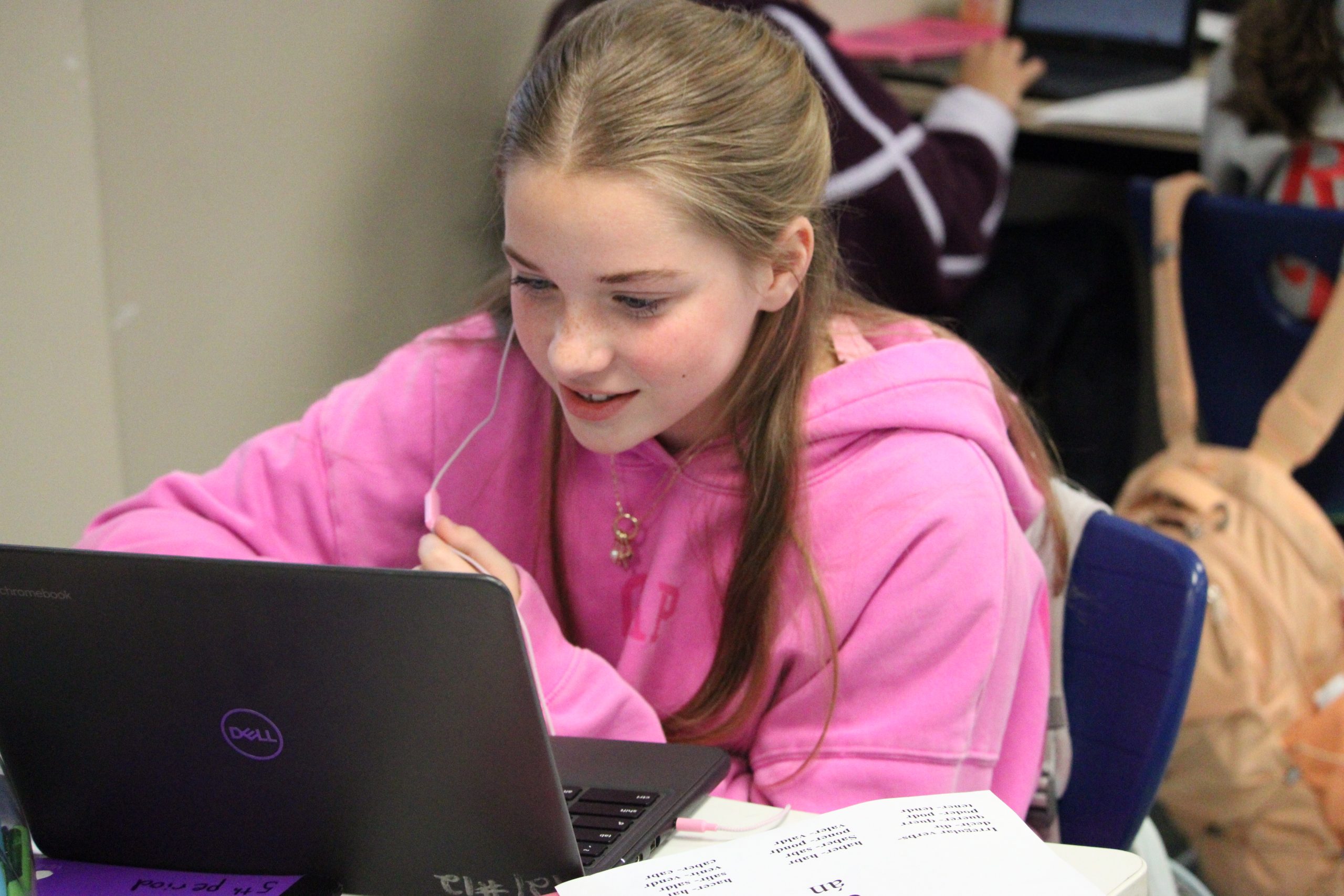
When trying to think of a different approach to organizational resources, a more modern approach could benefit students when it comes to organization. When asked about a more modern approach, Dr. Frey said, “We already have access to Home Access Center for students to check their grades during KICK and time for students to check their Google Classroom for missing work. I think that Google Calendar could be another helpful tool for students who are interested in an electronic agenda.” Lena Pepping was also asked about her view on a more modern approach, and she said, “I think a digital agenda would be good for students and help with the original issue with agendas, which is remembering to look at them and use them.” An online resource could be just the solution for agendas, although it could be a struggle to figure out what website or app to use since the new phone law states that students cannot use their phones during school hours.
Students Need Options
Perhaps the real argument isn’t about agendas at all, but rather the execution of them and other organizational resources. If we can find a good way to incorporate an online agenda, it could help some students with organization and keeping track of assignments and tests, and others who feel that a paper agenda is benefiting them could use the current agenda that is available. Rather than choosing one option over another, it is clear that variety in organization tools and resources would be the most beneficial for students with different lifestyles and preferences.



Leave a Reply